|
2016 Greek History and Culture Seminars ͏ ͏ ͏ ͏ ͏ ͏ ͏ ͏ ͏ ͏ ͏ ͏ ͏ ͏ ͏ ͏ ͏ ͏ ͏ ͏ ͏ ͏ ͏ ͏ ͏ ͏ ͏ ͏ ͏ ͏ ͏ ͏ ͏ ͏ ͏ ͏ ͏ ͏ ͏ ͏ ͏ ͏ ͏ ͏ ͏ ͏ ͏ ͏ ͏ ͏ ͏ ͏ ͏ ͏ ͏ ͏ ͏ ͏ ͏ ͏ ͏ ͏ ͏ ͏ ͏ ͏ ͏ ͏ ͏ ͏ ͏ ͏ ͏ ͏ ͏ ͏ ͏ ͏ ͏ ͏ ͏ ͏ ͏ ͏ ͏ ͏ ͏ ͏ ͏ ͏ ͏ ͏ ͏ ͏ ͏ ͏ ͏ ͏ ͏ ͏ ͏ ͏ ͏ ͏ ͏ ͏ ͏ ͏ ͏ ͏ ͏ ͏ ͏ ͏ ͏ ͏ ͏ ͏ ͏ ͏ ͏ ͏ ͏ ͏ ͏ ͏ ͏ ͏ ͏ ͏ ͏ ͏ ͏ ͏ ͏ ͏ ͏ ͏ ͏ ͏ ͏ ͏ ͏ ͏ ͏ ͏ ͏ ͏ ͏ ͏ ͏ ͏ ͏ ͏ ͏ ͏ ͏ ͏ ͏ ͏ ͏
|
|
|||||

|
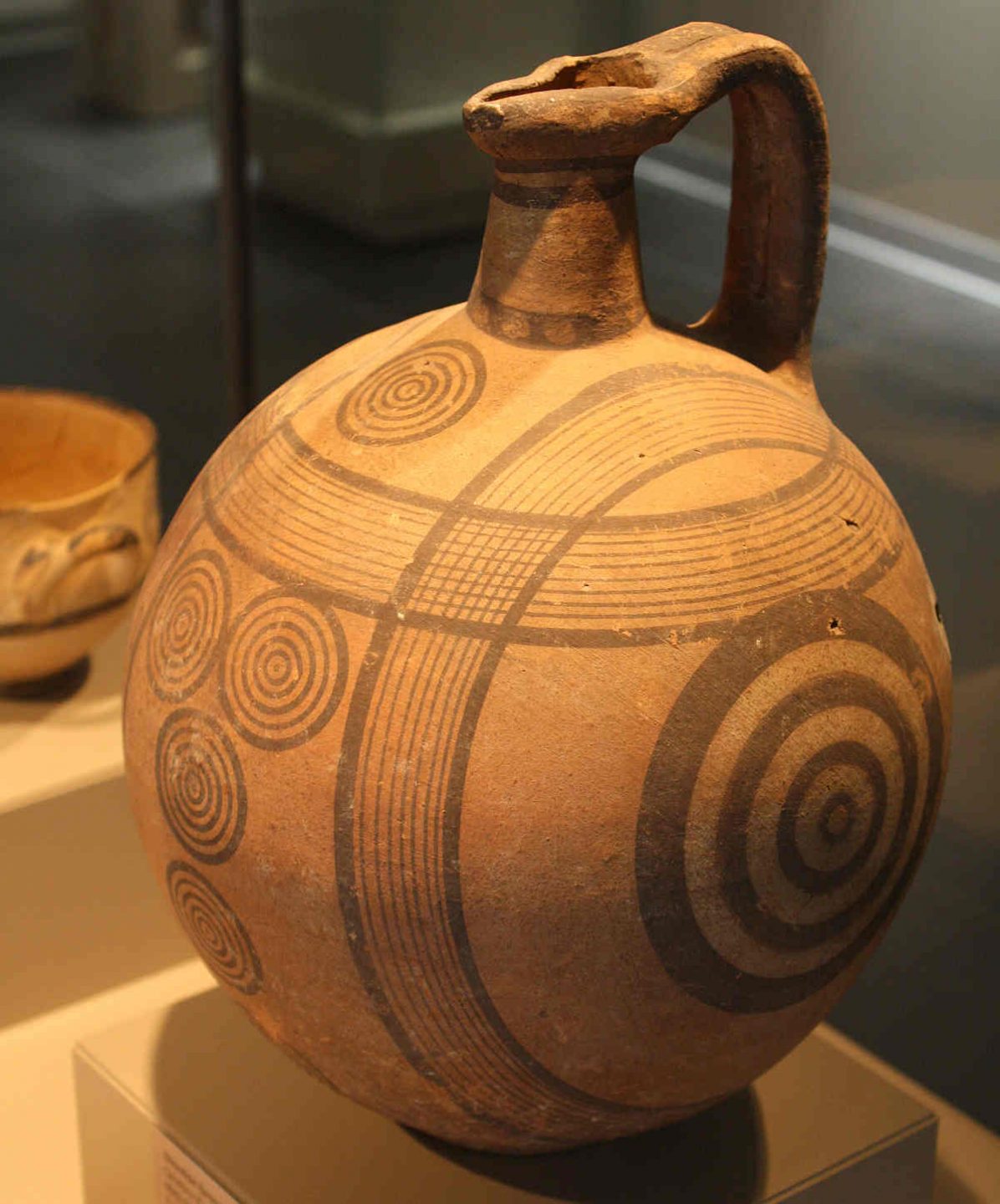
Open Seminar: Ancient Cypriot Pottery – Analysis and PreservationLocation: Greek Centre, Mezzanine, 168 Lonsdale Street, Melbourne |
||
SynopsisTraditionally the Cypriot pottery Collection has been used as a reference collection for training archaeology students and archaeological research. The collection, excavated in the early 20th century has been used in exhibitions, is electronically available as part of a Virtual Museum on-line database project and is about to be featured in the new Arts West building and object based learning and teaching. More recently the collection has found a new role in the field of cultural materials conservation. A particular feature of many of the reconstructed vessels in the collection is that most have old repairs, which are failing, making vessels difficult to store or handle and unavailable for exhibition. Since the advent of the Masters program in cultural materials conservation, which commenced in 2004, at the Grimwade Centre for Cultural Material Conservation, the collection is being used to train conservation students. Teaching conservation involves facilitating reflective practice, where students explain and justify their decisions and evaluate their conservation interventions. Treatments involve reversal of old repairs, desalination and re-integration using conservation grade adhesives. In addition, the Cypriot Collection also featured in an ARC funded project, which surveyed and identified adhesive repairs in the collection, assessed adhesive performance observed on the vessels and made recommendations regarding the use of adhesives on archaeological pottery. This paper illustrates how use of the Cypriot Collection has evolved over time, and how conserving objects complements research into adhesive testing, potentially altering the types of adhesives used on archaeological pottery. |
||
|
|||||

SponsorsWe thank the following donors: Efstratia Papadopoulou | Ancient Hoplitikon of Melbourne Inc. | Kypros & Andriani Kyprianou During the course of the year considerable expenses are incurred in staging the seminars. In order to mitigate these costs individuals or organisations are invited to donate against a lecture of their choice. You too can donate for one or more seminars and (optionally) let your name or brand be known as a patron of culture to our members, visitors and followers, as well as the broader artistic and cultural community of Melbourne. Please email: info@greekcommunity.com.au or call 03 9662 2722. We also thank the following corporate sponsors: |
||
|

|
|||||


 |