2016 Greek History and Culture Seminars ͏ ‌     ­ ͏ ‌     ­ ͏ ‌     ­ ͏ ‌     ­ ͏ ‌     ­ ͏ ‌     ­ ͏ ‌     ­ ͏ ‌     ­ ͏ ‌     ­ ͏ ‌     ­ ͏ ‌     ­ ͏ ‌     ­ ͏ ‌     ­ ͏ ‌     ­ ͏ ‌     ­ ͏ ‌     ­ ͏ ‌     ­ ͏ ‌     ­ ͏ ‌     ­ ͏ ‌     ­ ͏ ‌     ­ ͏ ‌     ­ ͏ ‌     ­ ͏ ‌     ­ ͏ ‌     ­ ͏ ‌     ­ ͏ ‌     ­ ͏ ‌     ­ ͏ ‌     ­ ͏ ‌     ­ ͏ ‌     ­ ͏ ‌     ­ ͏ ‌     ­ ͏ ‌     ­ ͏ ‌     ­ ͏ ‌     ­ ͏ ‌     ­ ͏ ‌     ­ ͏ ‌     ­ ͏ ‌     ­ ͏ ‌     ­ ͏ ‌     ­ ͏ ‌     ­ ͏ ‌     ­ ͏ ‌     ­ ͏ ‌     ­ ͏ ‌     ­ ͏ ‌     ­ ͏ ‌     ­ ͏ ‌     ­ ͏ ‌     ­ ͏ ‌     ­ ͏ ‌     ­ ͏ ‌     ­ ͏ ‌     ­ ͏ ‌     ­ ͏ ‌     ­ ͏ ‌     ­ ͏ ‌     ­ ͏ ‌     ­ ͏ ‌     ­ ͏ ‌     ­ ͏ ‌     ­ ͏ ‌     ­ ͏ ‌     ­ ͏ ‌     ­ ͏ ‌     ­ ͏ ‌     ­ ͏ ‌     ­ ͏ ‌     ­ ͏ ‌     ­ ͏ ‌     ­ ͏ ‌     ­ ͏ ‌     ­ ͏ ‌     ­ ͏ ‌     ­ ͏ ‌     ­ ͏ ‌     ­ ͏ ‌     ­ ͏ ‌     ­ ͏ ‌     ­ ͏ ‌     ­ ͏ ‌     ­ ͏ ‌     ­ ͏ ‌     ­ ͏ ‌     ­ ͏ ‌     ­ ͏ ‌     ­ ͏ ‌     ­ ͏ ‌     ­ ͏ ‌     ­ ͏ ‌     ­ ͏ ‌     ­ ͏ ‌     ­ ͏ ‌     ­ ͏ ‌     ­ ͏ ‌     ­ ͏ ‌     ­ ͏ ‌     ­ ͏ ‌     ­ ͏ ‌     ­ ͏ ‌     ­ ͏ ‌     ­ ͏ ‌     ­ ͏ ‌     ­ ͏ ‌     ­ ͏ ‌     ­ ͏ ‌     ­ ͏ ‌     ­ ͏ ‌     ­ ͏ ‌     ­ ͏ ‌     ­ ͏ ‌     ­ ͏ ‌     ­ ͏ ‌     ­ ͏ ‌     ­ ͏ ‌     ­ ͏ ‌     ­ ͏ ‌     ­ ͏ ‌     ­ ͏ ‌     ­ ͏ ‌     ­ ͏ ‌     ­ ͏ ‌     ­ ͏ ‌     ­ ͏ ‌     ­ ͏ ‌     ­ ͏ ‌     ­ ͏ ‌     ­ ͏ ‌     ­ ͏ ‌     ­ ͏ ‌     ­ ͏ ‌     ­ ͏ ‌     ­ ͏ ‌     ­ ͏ ‌     ­ ͏ ‌     ­ ͏ ‌     ­ ͏ ‌     ­ ͏ ‌     ­ ͏ ‌     ­ ͏ ‌     ­ ͏ ‌     ­ ͏ ‌     ­ ͏ ‌     ­ ͏ ‌     ­ ͏ ‌     ­ ͏ ‌     ­ ͏ ‌     ­ ͏ ‌     ­ ͏ ‌     ­ ͏ ‌     ­ ͏ ‌     ­ ͏ ‌     ­ ͏ ‌     ­ ͏ ‌     ­ ͏ ‌     ­ ͏ ‌     ­ ͏ ‌     ­ ͏ ‌     ­ ͏ ‌     ­
 
gcm_logo_white
2016 Greek History and Culture Seminars ͏ ‌     ­ ͏ ‌     ­ ͏ ‌     ­ ͏ ‌     ­ ͏ ‌     ­ ͏ ‌     ­ ͏ ‌     ­ ͏ ‌     ­ ͏ ‌     ­ ͏ ‌     ­ ͏ ‌     ­ ͏ ‌     ­ ͏ ‌     ­ ͏ ‌     ­ ͏ ‌     ­ ͏ ‌     ­ ͏ ‌     ­ ͏ ‌     ­ ͏ ‌     ­ ͏ ‌     ­ ͏ ‌     ­ ͏ ‌     ­ ͏ ‌     ­ ͏ ‌     ­ ͏ ‌     ­ ͏ ‌     ­ ͏ ‌     ­ ͏ ‌     ­ ͏ ‌     ­ ͏ ‌     ­ ͏ ‌     ­ ͏ ‌     ­ ͏ ‌     ­ ͏ ‌     ­ ͏ ‌     ­ ͏ ‌     ­ ͏ ‌     ­ ͏ ‌     ­ ͏ ‌     ­ ͏ ‌     ­ ͏ ‌     ­ ͏ ‌     ­ ͏ ‌     ­ ͏ ‌     ­ ͏ ‌     ­ ͏ ‌     ­ ͏ ‌     ­ ͏ ‌     ­ ͏ ‌     ­ ͏ ‌     ­ ͏ ‌     ­ ͏ ‌     ­ ͏ ‌     ­ ͏ ‌     ­ ͏ ‌     ­ ͏ ‌     ­ ͏ ‌     ­ ͏ ‌     ­ ͏ ‌     ­ ͏ ‌     ­ ͏ ‌     ­ ͏ ‌     ­ ͏ ‌     ­ ͏ ‌     ­ ͏ ‌     ­ ͏ ‌     ­ ͏ ‌     ­ ͏ ‌     ­ ͏ ‌     ­ ͏ ‌     ­ ͏ ‌     ­ ͏ ‌     ­ ͏ ‌     ­ ͏ ‌     ­ ͏ ‌     ­ ͏ ‌     ­ ͏ ‌     ­ ͏ ‌     ­ ͏ ‌     ­ ͏ ‌     ­ ͏ ‌     ­ ͏ ‌     ­ ͏ ‌     ­ ͏ ‌     ­ ͏ ‌     ­ ͏ ‌     ­ ͏ ‌     ­ ͏ ‌     ­ ͏ ‌     ­ ͏ ‌     ­ ͏ ‌     ­ ͏ ‌     ­ ͏ ‌     ­ ͏ ‌     ­ ͏ ‌     ­ ͏ ‌     ­ ͏ ‌     ­ ͏ ‌     ­ ͏ ‌     ­ ͏ ‌     ­ ͏ ‌     ­ ͏ ‌     ­ ͏ ‌     ­ ͏ ‌     ­ ͏ ‌     ­ ͏ ‌     ­ ͏ ‌     ­ ͏ ‌     ­ ͏ ‌     ­ ͏ ‌     ­ ͏ ‌     ­ ͏ ‌     ­ ͏ ‌     ­ ͏ ‌     ­ ͏ ‌     ­ ͏ ‌     ­ ͏ ‌     ­ ͏ ‌     ­ ͏ ‌     ­ ͏ ‌     ­ ͏ ‌     ­ ͏ ‌     ­ ͏ ‌     ­ ͏ ‌     ­ ͏ ‌     ­ ͏ ‌     ­ ͏ ‌     ­ ͏ ‌     ­ ͏ ‌     ­ ͏ ‌     ­ ͏ ‌     ­ ͏ ‌     ­ ͏ ‌     ­ ͏ ‌     ­ ͏ ‌     ­ ͏ ‌     ­ ͏ ‌     ­ ͏ ‌     ­ ͏ ‌     ­ ͏ ‌     ­ ͏ ‌     ­ ͏ ‌     ­ ͏ ‌     ­ ͏ ‌     ­ ͏ ‌     ­ ͏ ‌     ­ ͏ ‌     ­ ͏ ‌     ­ ͏ ‌     ­ ͏ ‌     ­ ͏ ‌     ­ ͏ ‌     ­ ͏ ‌     ­ ͏ ‌     ­ ͏ ‌     ­ ͏ ‌     ­ ͏ ‌     ­ ͏ ‌     ­ ͏ ‌     ­ ͏ ‌     ­ ͏ ‌     ­
 
originalsize_1258368398
 

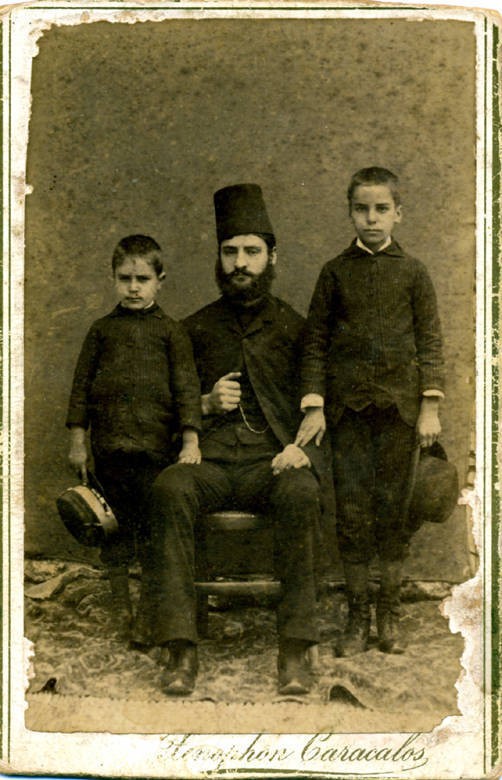
Born in the mid-19th century in Madytos (Eceabat), Gallipoli peninsula, Seraphim Phocas received his training in Theology in Jerusalem and subsequently served as a priest in the Patriarchate of Alexandria before coming to Australia. An examination of this body of work reveals Phocas' profound commitment to Orthodox tradition and indeed a particular strand of sectarianism in his thought.


Open Seminar: An Orthodox priest in Australia: Seraphim Phocas, his writings and sectarianism in early 20th century Australia

Location: Greek Centre, Mezzanine, 168 Lonsdale Street, Melbourne
Date: Thursday, 21 July 2016, 7:00pm
Presenter: Dr. Dimitrios Varvaritis
Entry:
FREE


Synopsis

This seminar will focus on the published writings of one of Australia’s first Greek leaders the Orthodox priest Reverend Seraphim Phocas.

The books, articles and reports of Phocas in Greek scholarly journals remain unstudied. An examination of this body of work reveals a profound commitment, on the part of Phocas, to Orthodox tradition and indeed a particular strand of sectarianism in his thought.

This seminar will thus present and critically examine these writings. It will furthermore argue that they must be seen within a critical juncture of a number of broad historical factors affecting both Orthodox Christianity and Australian colonial society at the turn of the 19th and 20th centuries.

These factors include: the continuous exchanges, chiefly at a high clerical level, between Protestant Anglicans and Orthodox Christians, the permanent settlement of Orthodox Christians in the various Australian colonies and finally the continued sectarian rivalries and cleavages within Australian colonial society.


Bio


Dr. Dimitrios Varvaritis is currently an independent researcher and will be a Research Fellow, for the academic year 2016-2017, at the Vienna Wiesenthal Institute for Holocaust Studies.

He was educated in Australia and Britain. He holds a Bachelors degree in Law from the University of Sydney and a MA in History from the London School of Economics.

His doctorate in History was awarded from Kings College London. His main area of research concerns the political and economic history of Modern Greece and the wider eastern Mediterranean region.

He has contributed to the edited volume Sephardi Lives: A documentary history 1700-1950 (Stanford University Press, 2014) and has co-authored, together with Professor Ioanna Sapfo Pepelasis, an article that will appear in the Journal of Evolutionary Studies in Business.


Sponsors

We thank the following donors: Ithacan Philanthropic Society

During the course of the year considerable expenses are incurred in staging the seminars. In order to mitigate these costs individuals or organisations are invited to donate against a lecture of their choice.  You too can donate for one or more seminars and (optionally) let your name or brand be known as a patron of culture to our members, visitors and followers, as well as the broader artistic and cultural community of Melbourne. Please email: info@greekcommunity.com.au or call 03 9662 2722.

We also thank the following corporate sponsors:

 
2016_seminar_sponsors