gcm-logo-transparent2


Abstract


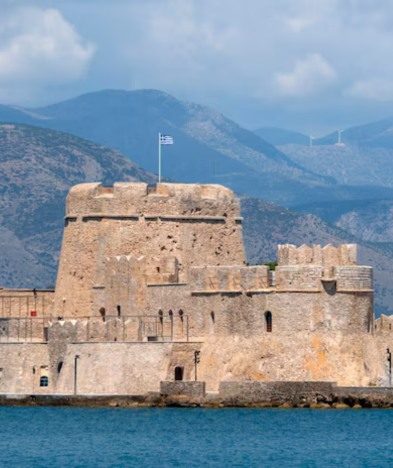
This paper examines Ottoman military strategy in the eighteenth-century Peloponnese through the lens of fortress-towns and their role in frontier governance. Rather than treating fortresses solely as static defensive structures, it approaches them as active sites of military organization, administrative control, logistical coordination, and imperial reconstruction after the Ottoman reconquest of the Morea in 1715. Focusing on key fortress-towns such as Navarino, Nafplio, Methoni, Korinth, Koroni, and Patras, it explores how the Ottoman state maintained authority through repair works, garrisoning, provisioning, labor mobilization, and the management of surrounding rural populations. It argues that Ottoman strategy in the Peloponnese depended not only on monumental fortifications, but also on the continuous adaptation of fortress landscapes to shifting military, political, and local conditions.


Join us online


This is an online only event, you can join via YouTube or Facebook live from 7pm. We advise you connect a couple of minutes earlier. 

Join our speaker online, submit questions during the Q&A and enjoy a great lecture from the comfort of your own home.

We look forward to seeing you online.


Sponsors


During the course of the year considerable expenses are incurred in staging the seminars. In order to mitigate these costs individuals or organisations are invited to donate against a lecture of their choice.

You too can donate for one or more seminars and (optionally) let your name or brand be known as a patron of culture to our members, visitors and followers, as well as the broader artistic and cultural community of Melbourne. Please email: info@greekcommunity.com.au or call 03 9662 2722.

We thank the following corporate sponsors:


acnc-registered-charity-logo_rgb

The Greek Community of Melbourne is registered as a charity with the Australian Charities and Non-Profits Commission ABN 14004258360