|
| |
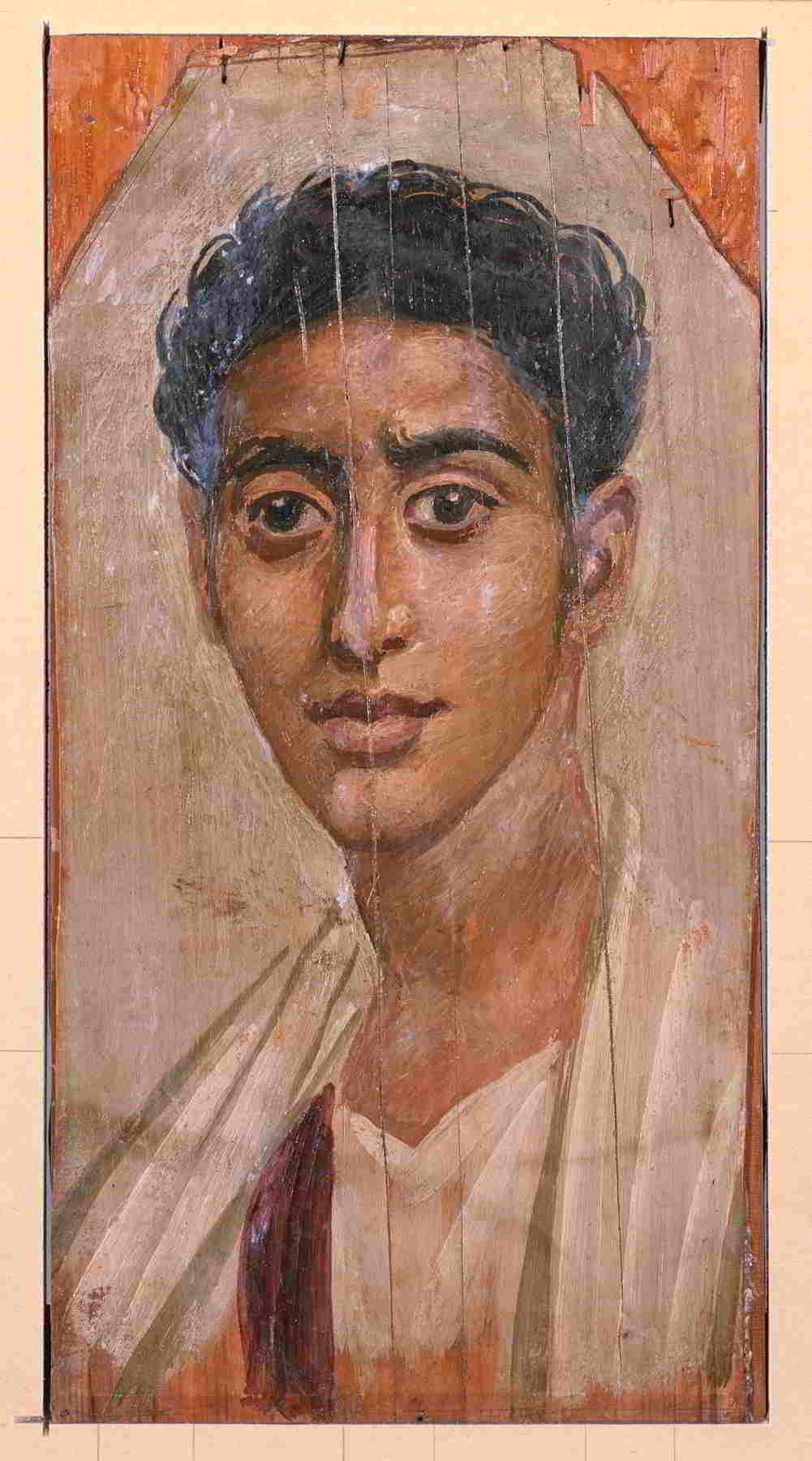
Open Lecture: Being Greek in Roman Egypt
Location: Greek Centre, Level M, 168 Lonsdale Street, Melbourne
Date: THURSDAY 22/3/2018 @ 7:00pm
Presenter: Dr Andrew Connor
Language of Presentation: English | R.M.L.G.*: 0 (No knowledge of Greek Required).
Entry: FREE
|
|
|
|
|
| |
Synopsis
After the death of Alexander the Great, his generals divided the empire and created a series of kingdoms stretching from the Adriatic to Afghanistan. Of these, the kingdom of Ptolemy, centred in Egypt and the new capital city Alexandria, lasted the longest and had the greatest effect on the popular imagination. After the glory days of the Great Library, of the Ptolemies, and of Kleopatra, though, what happened to the Greeks of Roman Egypt?
In this talk, I’ll discuss the Greek population of the new Roman province of Aegyptus after the death of Kleopatra and Marc Antony. Thanks to the dry climate of the Egyptian deserts, we have more information on daily life in Roman Egypt than we do for any other period or any other place in the whole of the ancient world. The Greek population of Egypt played an important role in the development of literature and the arts in Rome, Greek-speaking soldiers and sailors left Egypt to fight under Roman standards, and athletes from Egypt came to dominate the Greek athletic circuit. Within Egypt, the unique climate conditions have left us a voluminous record of everyday life, and I will offer some examples from that vivid documentary record to bring the Greek-speaking people of Roman Egypt back before our eyes, and to answer the questions: What did it mean to be Greek in Roman Egypt, and what was life like for the Greek population of Roman Egypt?
|
|
|
|
|
| |
Bio
Andrew Connor is the Lecturer in Ancient History in the Centre for Ancient Cultures at Monash University. He completed his PhD at the University of Cincinnati, studying the economic infrastructure of Egyptian temples under the Romans. He has published and presented on legal procedure in Roman Egypt, the meaning of rare technical terms in ancient Greek, economic and administrative difficulties for Ptolemaic temples, religious confiscations, contracts and leases in Byzantine Egypt, and Herodotus’ descriptions of Persians, tyrants, and scandalous behaviour.
As part of his studies, he spent a year in Greece, at the American School of Classical Studies at Athens and participated in excavations at the site of Ancient Corinth. Andrew taught at the University of Cincinnati and at Xavier University before joining Monash University. He currently teaches on Periklean Athens, the Hellenistic period, Imperial Rome, and Roman Archaeology, as well as the Ancient Greek language
|
|
|
|
|
| |
Sponsors
We thank this lecture's donors: Leonidas Argyropoulos
During the course of the year considerable expenses are incurred in staging the seminars. In order to mitigate these costs individuals or organisations are invited to donate against a lecture of their choice.
You too can donate for one or more seminars and (optionally) let your name or brand be known as a patron of culture to our members, visitors and followers, as well as the broader artistic and cultural community of Melbourne. Please email: info@greekcommunity.com.au or call 03 9662 2722.
We also thank the following corporate sponsors:
|
|
|
|
|
| |
* Recommended Minimum Level of Greek in order to enjoy this Event, on a scale of 0 to 5.
|
|
|
|