2018 Greek History and Culture Seminars ͏ ‌     ­ ͏ ‌     ­ ͏ ‌     ­ ͏ ‌     ­ ͏ ‌     ­ ͏ ‌     ­ ͏ ‌     ­ ͏ ‌     ­ ͏ ‌     ­ ͏ ‌     ­ ͏ ‌     ­ ͏ ‌     ­ ͏ ‌     ­ ͏ ‌     ­ ͏ ‌     ­ ͏ ‌     ­ ͏ ‌     ­ ͏ ‌     ­ ͏ ‌     ­ ͏ ‌     ­ ͏ ‌     ­ ͏ ‌     ­ ͏ ‌     ­ ͏ ‌     ­ ͏ ‌     ­ ͏ ‌     ­ ͏ ‌     ­ ͏ ‌     ­ ͏ ‌     ­ ͏ ‌     ­ ͏ ‌     ­ ͏ ‌     ­ ͏ ‌     ­ ͏ ‌     ­ ͏ ‌     ­ ͏ ‌     ­ ͏ ‌     ­ ͏ ‌     ­ ͏ ‌     ­ ͏ ‌     ­ ͏ ‌     ­ ͏ ‌     ­ ͏ ‌     ­ ͏ ‌     ­ ͏ ‌     ­ ͏ ‌     ­ ͏ ‌     ­ ͏ ‌     ­ ͏ ‌     ­ ͏ ‌     ­ ͏ ‌     ­ ͏ ‌     ­ ͏ ‌     ­ ͏ ‌     ­ ͏ ‌     ­ ͏ ‌     ­ ͏ ‌     ­ ͏ ‌     ­ ͏ ‌     ­ ͏ ‌     ­ ͏ ‌     ­ ͏ ‌     ­ ͏ ‌     ­ ͏ ‌     ­ ͏ ‌     ­ ͏ ‌     ­ ͏ ‌     ­ ͏ ‌     ­ ͏ ‌     ­ ͏ ‌     ­ ͏ ‌     ­ ͏ ‌     ­ ͏ ‌     ­ ͏ ‌     ­ ͏ ‌     ­ ͏ ‌     ­ ͏ ‌     ­ ͏ ‌     ­ ͏ ‌     ­ ͏ ‌     ­ ͏ ‌     ­ ͏ ‌     ­ ͏ ‌     ­ ͏ ‌     ­ ͏ ‌     ­ ͏ ‌     ­ ͏ ‌     ­ ͏ ‌     ­ ͏ ‌     ­ ͏ ‌     ­ ͏ ‌     ­ ͏ ‌     ­ ͏ ‌     ­ ͏ ‌     ­ ͏ ‌     ­ ͏ ‌     ­ ͏ ‌     ­ ͏ ‌     ­ ͏ ‌     ­ ͏ ‌     ­ ͏ ‌     ­ ͏ ‌     ­ ͏ ‌     ­ ͏ ‌     ­ ͏ ‌     ­ ͏ ‌     ­ ͏ ‌     ­ ͏ ‌     ­ ͏ ‌     ­ ͏ ‌     ­ ͏ ‌     ­ ͏ ‌     ­ ͏ ‌     ­ ͏ ‌     ­ ͏ ‌     ­ ͏ ‌     ­ ͏ ‌     ­ ͏ ‌     ­ ͏ ‌     ­ ͏ ‌     ­ ͏ ‌     ­ ͏ ‌     ­ ͏ ‌     ­ ͏ ‌     ­ ͏ ‌     ­ ͏ ‌     ­ ͏ ‌     ­ ͏ ‌     ­ ͏ ‌     ­ ͏ ‌     ­ ͏ ‌     ­ ͏ ‌     ­ ͏ ‌     ­ ͏ ‌     ­ ͏ ‌     ­ ͏ ‌     ­ ͏ ‌     ­ ͏ ‌     ­ ͏ ‌     ­ ͏ ‌     ­ ͏ ‌     ­ ͏ ‌     ­ ͏ ‌     ­ ͏ ‌     ­ ͏ ‌     ­ ͏ ‌     ­ ͏ ‌     ­ ͏ ‌     ­ ͏ ‌     ­ ͏ ‌     ­ ͏ ‌     ­ ͏ ‌     ­ ͏ ‌     ­ ͏ ‌     ­ ͏ ‌     ­ ͏ ‌     ­ ͏ ‌     ­ ͏ ‌     ­ ͏ ‌     ­ ͏ ‌     ­ ͏ ‌     ­
 
gcm_logo_white
2018 Greek History and Culture Seminars ͏ ‌     ­ ͏ ‌     ­ ͏ ‌     ­ ͏ ‌     ­ ͏ ‌     ­ ͏ ‌     ­ ͏ ‌     ­ ͏ ‌     ­ ͏ ‌     ­ ͏ ‌     ­ ͏ ‌     ­ ͏ ‌     ­ ͏ ‌     ­ ͏ ‌     ­ ͏ ‌     ­ ͏ ‌     ­ ͏ ‌     ­ ͏ ‌     ­ ͏ ‌     ­ ͏ ‌     ­ ͏ ‌     ­ ͏ ‌     ­ ͏ ‌     ­ ͏ ‌     ­ ͏ ‌     ­ ͏ ‌     ­ ͏ ‌     ­ ͏ ‌     ­ ͏ ‌     ­ ͏ ‌     ­ ͏ ‌     ­ ͏ ‌     ­ ͏ ‌     ­ ͏ ‌     ­ ͏ ‌     ­ ͏ ‌     ­ ͏ ‌     ­ ͏ ‌     ­ ͏ ‌     ­ ͏ ‌     ­ ͏ ‌     ­ ͏ ‌     ­ ͏ ‌     ­ ͏ ‌     ­ ͏ ‌     ­ ͏ ‌     ­ ͏ ‌     ­ ͏ ‌     ­ ͏ ‌     ­ ͏ ‌     ­ ͏ ‌     ­ ͏ ‌     ­ ͏ ‌     ­ ͏ ‌     ­ ͏ ‌     ­ ͏ ‌     ­ ͏ ‌     ­ ͏ ‌     ­ ͏ ‌     ­ ͏ ‌     ­ ͏ ‌     ­ ͏ ‌     ­ ͏ ‌     ­ ͏ ‌     ­ ͏ ‌     ­ ͏ ‌     ­ ͏ ‌     ­ ͏ ‌     ­ ͏ ‌     ­ ͏ ‌     ­ ͏ ‌     ­ ͏ ‌     ­ ͏ ‌     ­ ͏ ‌     ­ ͏ ‌     ­ ͏ ‌     ­ ͏ ‌     ­ ͏ ‌     ­ ͏ ‌     ­ ͏ ‌     ­ ͏ ‌     ­ ͏ ‌     ­ ͏ ‌     ­ ͏ ‌     ­ ͏ ‌     ­ ͏ ‌     ­ ͏ ‌     ­ ͏ ‌     ­ ͏ ‌     ­ ͏ ‌     ­ ͏ ‌     ­ ͏ ‌     ­ ͏ ‌     ­ ͏ ‌     ­ ͏ ‌     ­ ͏ ‌     ­ ͏ ‌     ­ ͏ ‌     ­ ͏ ‌     ­ ͏ ‌     ­ ͏ ‌     ­ ͏ ‌     ­ ͏ ‌     ­ ͏ ‌     ­ ͏ ‌     ­ ͏ ‌     ­ ͏ ‌     ­ ͏ ‌     ­ ͏ ‌     ­ ͏ ‌     ­ ͏ ‌     ­ ͏ ‌     ­ ͏ ‌     ­ ͏ ‌     ­ ͏ ‌     ­ ͏ ‌     ­ ͏ ‌     ­ ͏ ‌     ­ ͏ ‌     ­ ͏ ‌     ­ ͏ ‌     ­ ͏ ‌     ­ ͏ ‌     ­ ͏ ‌     ­ ͏ ‌     ­ ͏ ‌     ­ ͏ ‌     ­ ͏ ‌     ­ ͏ ‌     ­ ͏ ‌     ­ ͏ ‌     ­ ͏ ‌     ­ ͏ ‌     ­ ͏ ‌     ­ ͏ ‌     ­ ͏ ‌     ­ ͏ ‌     ­ ͏ ‌     ­ ͏ ‌     ­ ͏ ‌     ­ ͏ ‌     ­ ͏ ‌     ­ ͏ ‌     ­ ͏ ‌     ­ ͏ ‌     ­ ͏ ‌     ­ ͏ ‌     ­ ͏ ‌     ­ ͏ ‌     ­ ͏ ‌     ­ ͏ ‌     ­ ͏ ‌     ­ ͏ ‌     ­ ͏ ‌     ­ ͏ ‌     ­ ͏ ‌     ­ ͏ ‌     ­ ͏ ‌     ­ ͏ ‌     ­ ͏ ‌     ­ ͏ ‌     ­
 
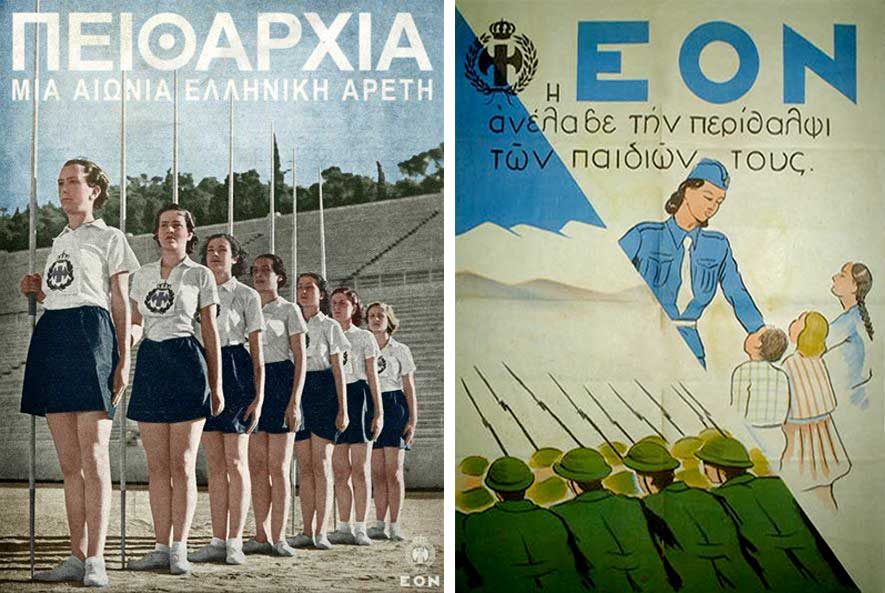
double_image
 

Open Lecture: Greek Popular Icons during the Greek-Italian War: Depictions of National Identity under the Metaxist regime


Location: Mezzanine Level, The Greek Centre, 168 Lonsdale Street, Melbourne 
Date: THURSDAY 28/6/2018 @ 7:00pm
Presenter: Dr. Anna Efstathiadou

Language of Presentation: English | R.M.L.G.*: 0 (No knowledge of Greek Required).
Entry: FREE


Synopsis


Popular icons or λαϊκές εικόνες were lithographs reproduced in multiple copies and sold to the general public at low prices. They originated from ‘engraved prints’ with religious themes that first appeared in the 16th century, depicting current affairs and events from political and social life, which aimed to arouse emotions and inform the masses. During the Greek-Italian War (1940-41), popular icons reached their peak. The Metaxist regime had already embraced them since 1936, as a visual medium that communicated its focus on the people and as a genuine sample of Greekness and creativity. This presentation highlights the importance of specific Second World War popular icons from the collections of the Greek National Museum in Athens, discussing how portrayals of a nation deeply rooted in history and the traditions of heroic classic antiquity and Byzantine Christianity were used by the regime as carriers of official ideas at war time and visual expressions of nationhood.


Bio

 
Anna Efstathiadou started her career as a historian and language teacher in Greece and later on in the UK, where she also gained a Master on Educational Studies and a Master on Cultural History with a focus on British Second World War propaganda films at the University of Warwick. Completing her PhD at the University of Queensland in Australia, she expanded her area of expertise to propaganda, war and visual image (Australian and Greek First and Second World War posters and photographs). She has numerous publications in international journals and is collaborating with the Department of Photography at the Technological Educational Institution in Athens. She is teaching modern Greek at the Institute of Modern Languages at the University of Queensland and is the official liaison officer of the Hellenic Photographic Society (Ε.Φ.Ε.) in Australia, organising and curating exhibitions that promote Greek culture and photography.


Sponsors


We thank this lecture's donor: Ithacan Philanthropic Society.

During the course of the year considerable expenses are incurred in staging the seminars. In order to mitigate these costs individuals or organisations are invited to donate against a lecture of their choice. 

You too can donate for one or more seminars and (optionally) let your name or brand be known as a patron of culture to our members, visitors and followers, as well as the broader artistic and cultural community of Melbourne. Please email: info@greekcommunity.com.au or call 03 9662 2722.

We also thank the following corporate sponsors:


* Recommended Minimum Level of Greek in order to enjoy this Event, on a scale of 0 to 5.


acnc-registered-charity-logo_rgb

The Greek Community of Melbourne is registered as a charity with the Australian Charities and Non-Profits Commission ABN 14004258360