| |
Synopsis
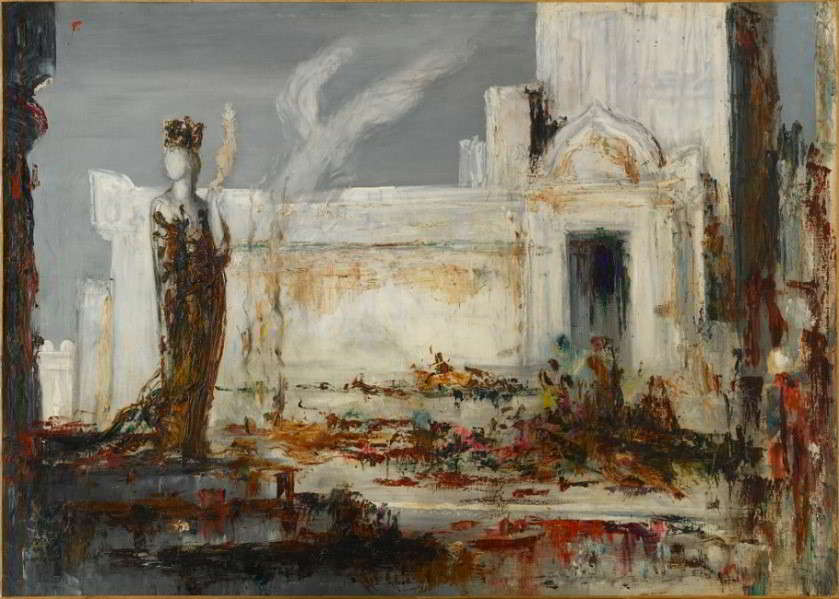
The scene depicting Helen on the walls of Troy from Iliad III.139-258 has been appropriated in modern art by de Morgan, Moreau, Sandys, and Leighton.
The image of Helen on the walls is what is captured from the Greek epic. However, Greek people in antiquity learnt their Homer by heart; the ‘Troy stories’ originally were oral, and ancient Greek culture was one of words, of listening and remembering.
As a result, ancient Greek literature often has ‘Homeric borrowings’ as Homer was, and is, so entrenched in the Greek psyche. Greek drama has Homeric allusions including glimpses of references to Helen, including one whole play Helen by Euripides. This paper examines Euripides’ Phoenissae lines 88-201.This scene is special because it includes not only Homeric allusions, but a complete lifting of the scene of Helen on the walls with Priam from book III of the Iliad. It reverses the questioning and response dialogue in Homer as well as the metre. Where Helen responds, Antigone questions.
Both scenes demonstrate what women say about men at war. While in the Iliad Helen remains emotionally detached, in Euripides’ play Antigone shows her rising fear. Euripides’ adaption of this whole Homeric scene is important because it demonstrates that in fifth century drama not only the importance of Homer, but also that of a woman’s gaze and voice in war
|
|